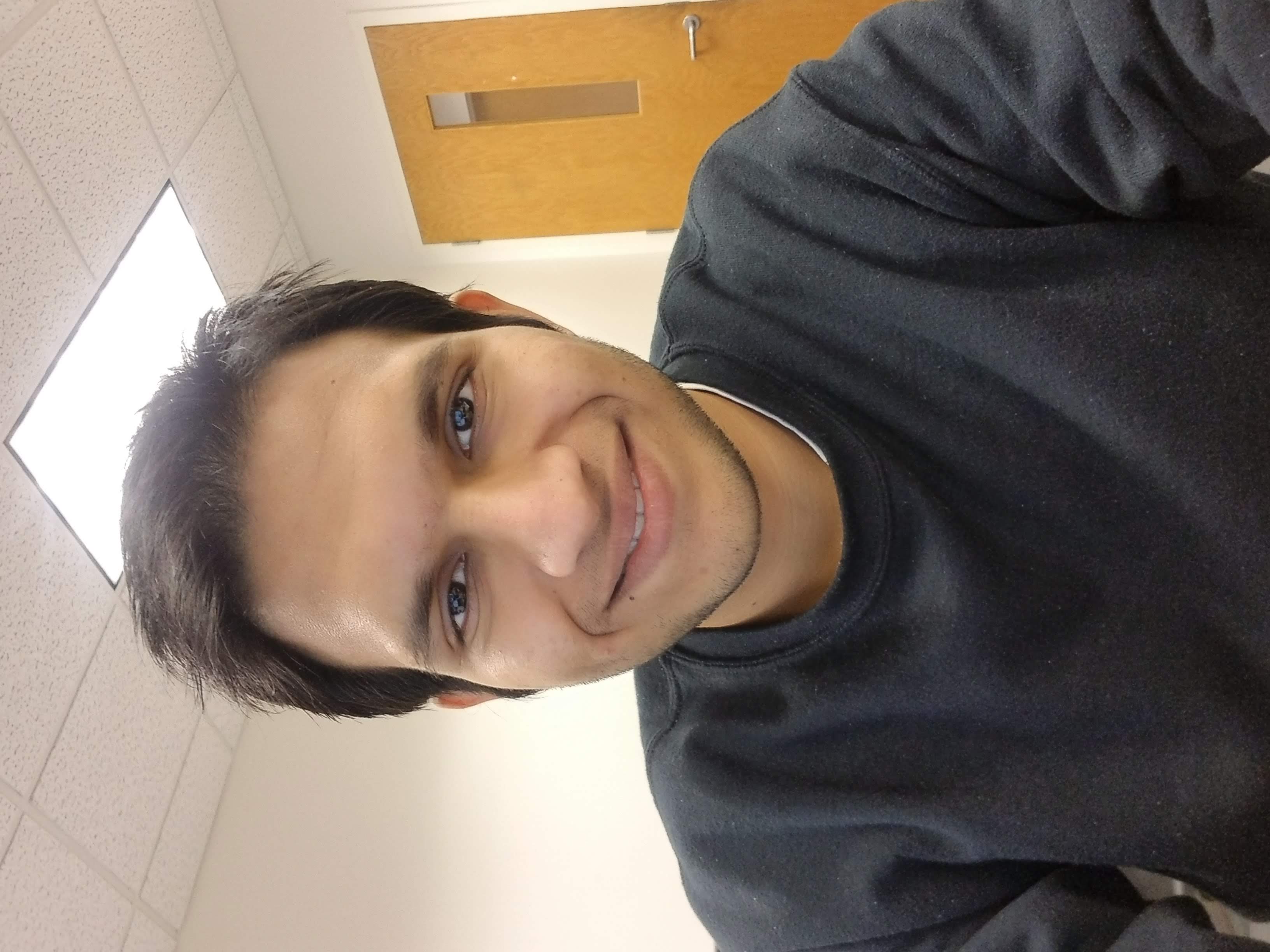
Omkar Desai
I am a PhD candidate in Computer Science at Syracuse University, graduating in July 2026. I work with Prof. Bryan Kim at the Syracuse Sustainable Storage Systems Lab (S4 Lab). My research sits at the intersection of storage systems and machine learning infrastructure — I build systems that make large-scale ML training pipelines faster, more cost-efficient, and more resilient at the I/O and storage layer.
My recent work includes Seneca (FAST ‘26), a system that decouples and overlaps data preprocessing with ML training to eliminate I/O bottlenecks and improve GPU utilization, and Cicero (EuroMLSys ‘26), which enables cost-efficient large model training and checkpointing on preemptible cloud VMs. I hold two US patents from research internships at Samsung Semiconductor, where I worked on key-value SSD storage architectures.
Before my PhD, I was a Software & Data Engineer at Practo (India’s largest telemedicine platform), where I owned the production-scale user behavior and events ingestion pipeline that powered data analytics, ML, and recommendations infrastructure. I have deep experience with distributed systems, key-value stores (LevelDB, RocksDB), and large-scale data pipelines.
I am actively seeking Research Scientist, Research Engineer, and Systems Engineer positions starting July 2026. Feel free to reach out at omkarbdesai@gmail.com.
News
- [April 2026] Paper accepted at EuroMLSys ‘26: Cost-Efficient Training and Checkpointing for Large Models on Preemptible Cloud VMs
- [February 2026] Paper published at FAST ‘26: Preparation Meets Opportunity: Enhancing Data Preprocessing for ML Training with Seneca
- [September 2025] US Patent 12,411,630 granted: System and Method for Managing Tasks in a Storage Device (Samsung Electronics)
- [April 2024] US Patent 11,954,345 granted: Two-Level Indexing for Key-Value Persistent Storage Device (Samsung Electronics)
- [June 2023] Paper published at HPDC ‘23: Leveraging Keys in Key-Value SSD for Production Workloads
- [June 2022] Paper published at HotStorage ‘22: A Principled Approach for Selecting Block I/O Traces